
Roundhouse dreams
A Robert Bly-inspired therapy hut

I’ve just emerged from a four-month period when I had no brain space to think about anything other than a gauntlet of deadlines.
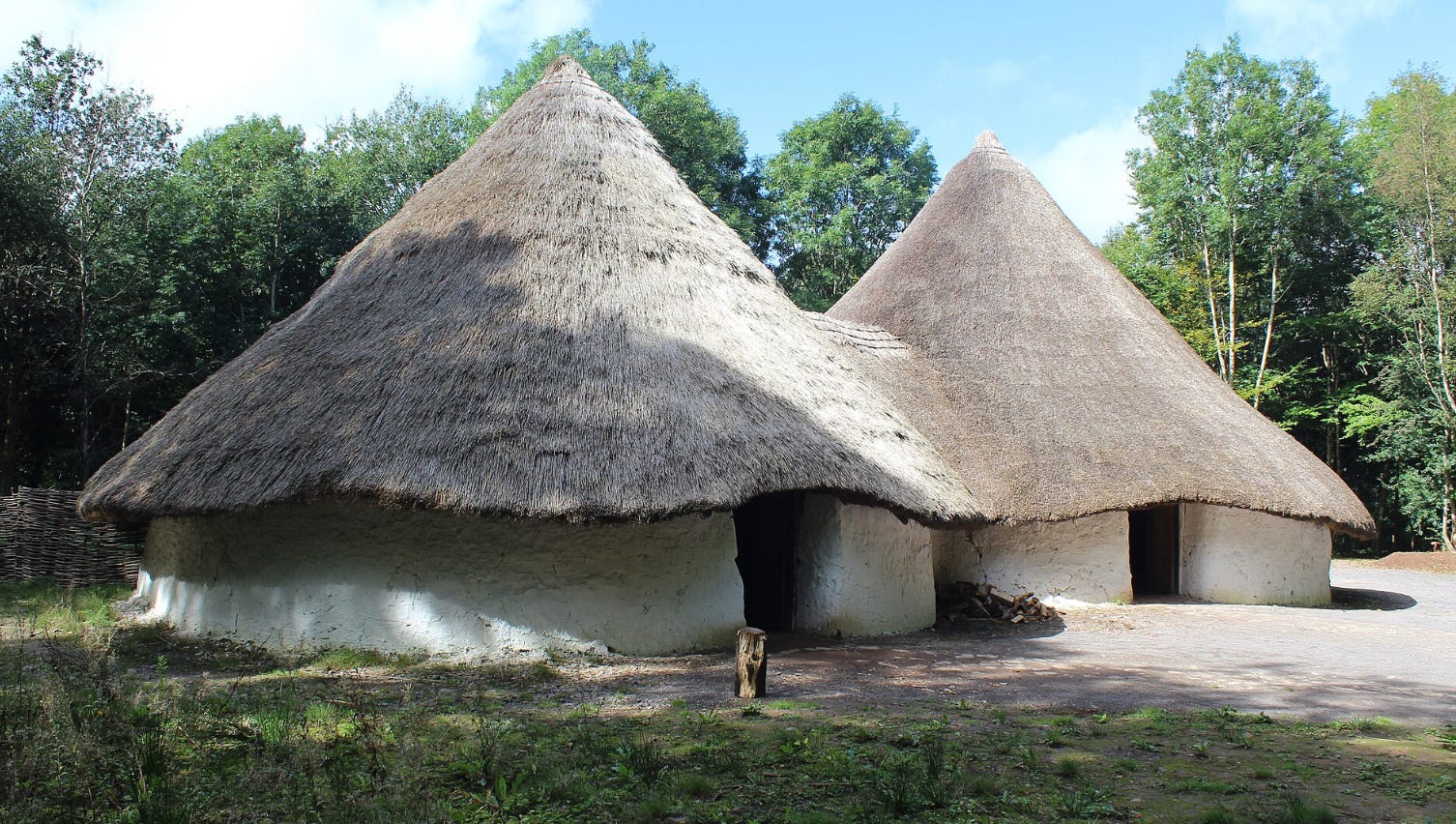
With that brain space freed up, an idea flitted into my consciousness: building, in my back garden, a Celtic-style roundhouse.
I’m in need of a new structure. Next year, I’ll be graduating from my psychotherapy program and I’ll launch my own private practice.
What would be the best sort of counseling space? I asked myself. I surprised my very non-“woo” self by envisioning something like a witch’s hut—a dark, low-lying dwelling full of animal spirits and mythic potency. An Iron Age roundhouse, as anachronistic as it might be in 2027, might also feel right at home rubbing up against Scottish woods.
All structures evoke feeling. A church, a doctor’s office, an elementary classroom all give you a feeling before anything even happens in one of those rooms. But, if you’re like me, you walk around most places feeling almost nothing. You’re probably not going to feel something notable in a prefab double-wide trailer. Or in a room full of IKEA furniture. A place that evokes something rare usually does so because great care and attention has gone into many small details. Or maybe you’ll just get a sense of the thousands of thoughts and hours of labor that’s gone into the place.
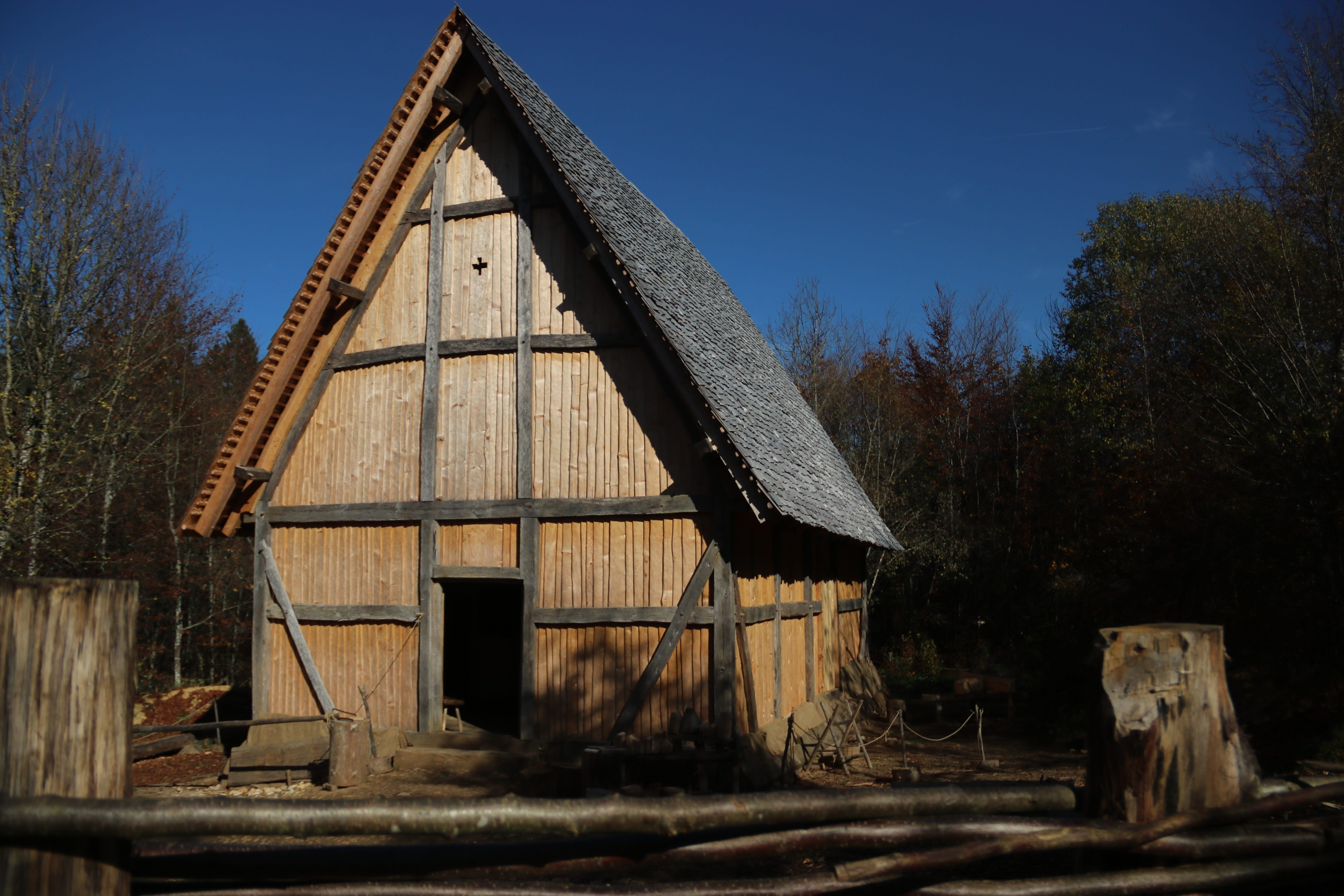
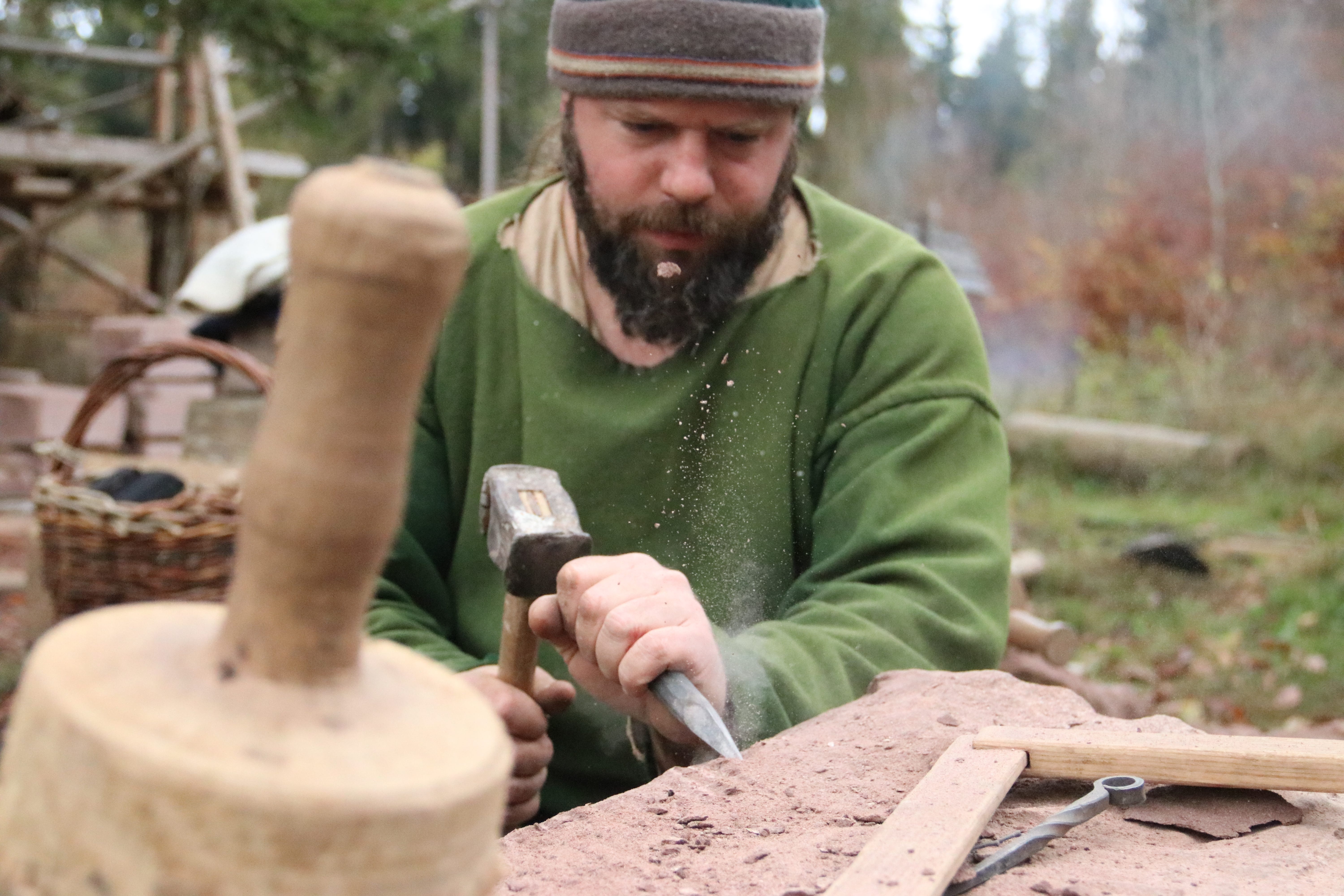
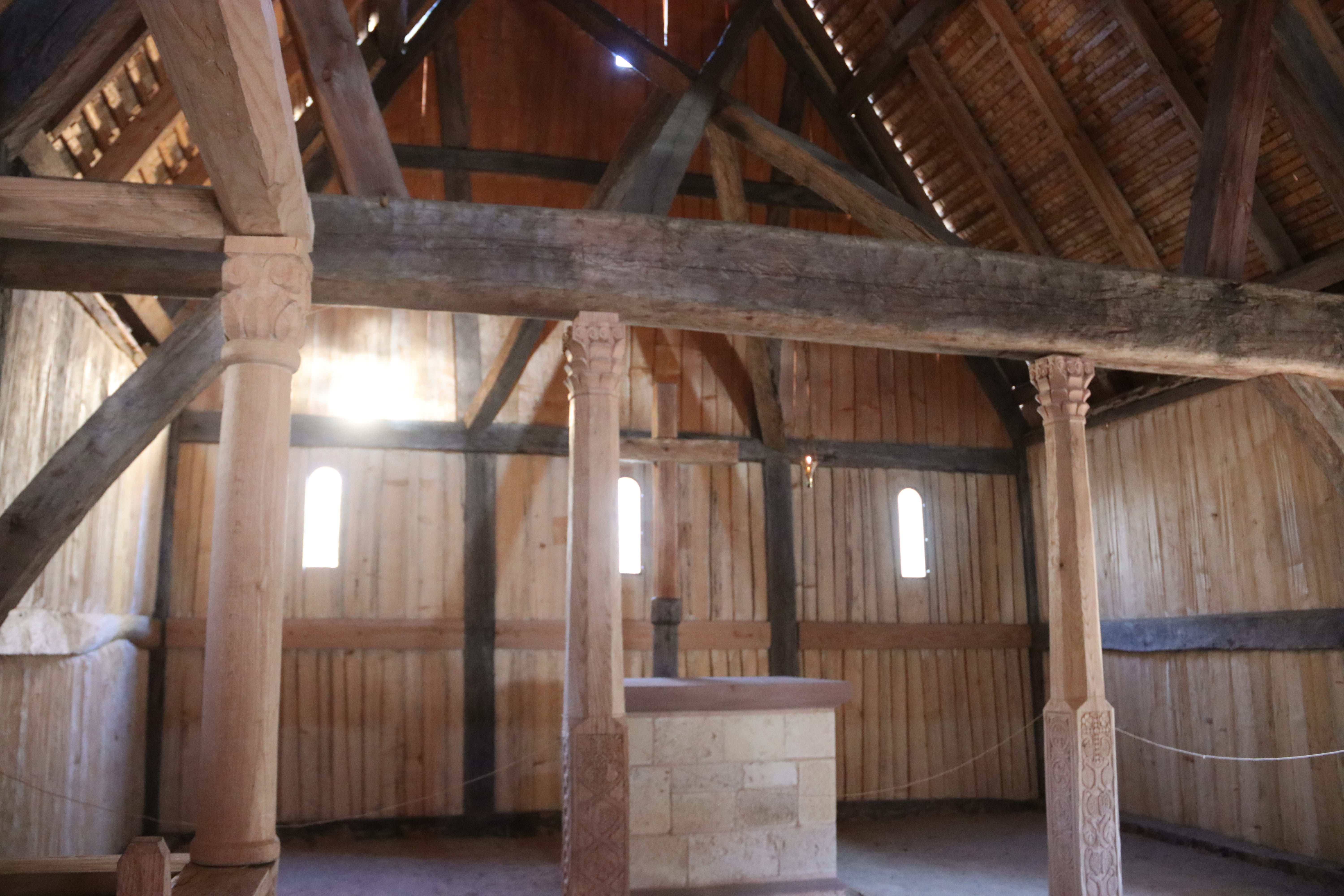
For my ideal roundhouse, I imagine real logs, earthen walls, a place for a fire, small windows, no electricity, the smells of a forest, and chairs with iron bits hidden inside. [Iron has long been treated in European folklore as protective and lucky; people would often hang horseshoes over doors or hide bits of iron near vulnerable places and people.]
That last idea about iron comes from the book Iron John by Robert Bly (1990).
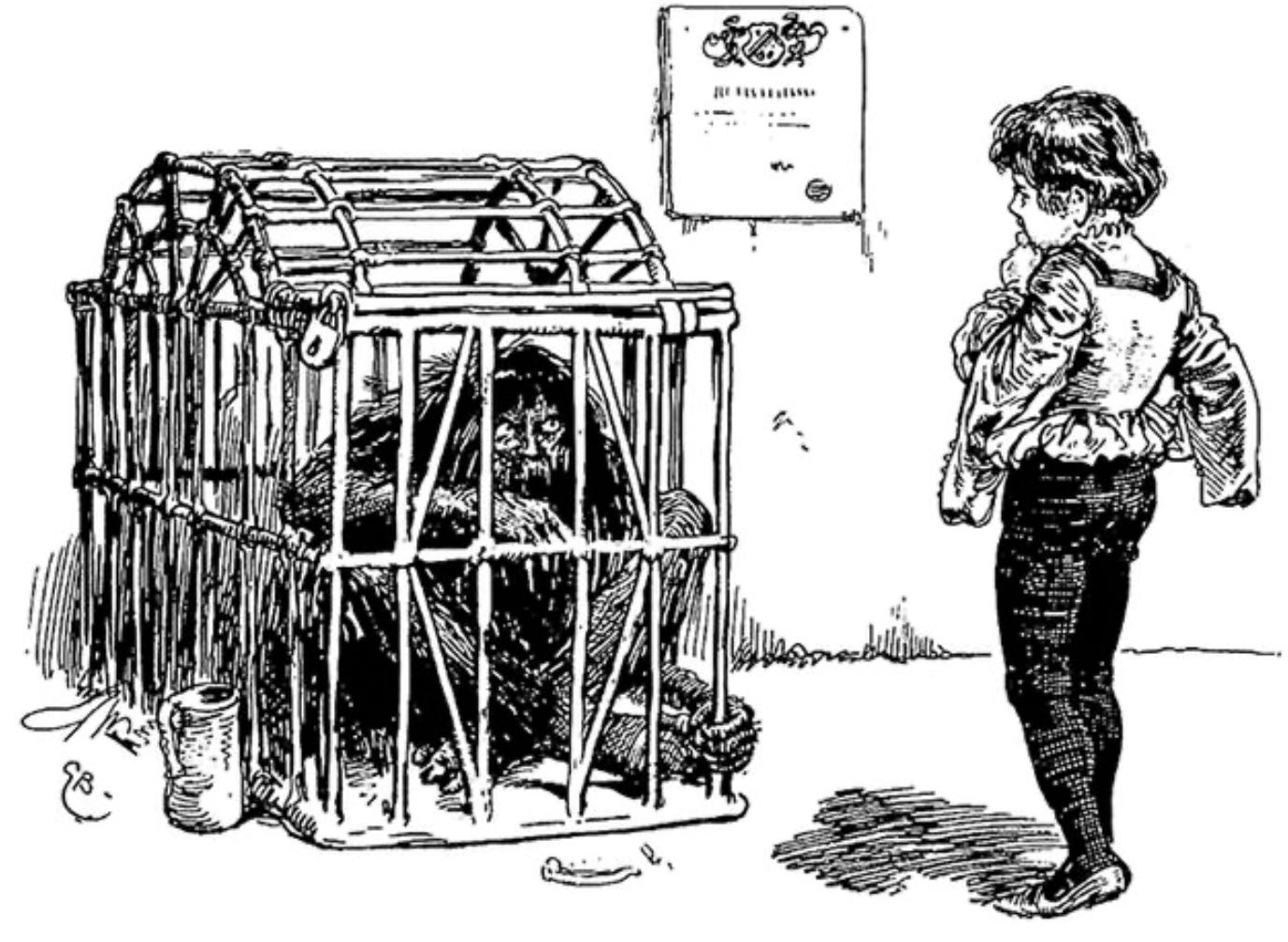
The title — Iron John — comes from an old German fairy tale recorded by the Brothers Grimm. In German, it’s Der Eisenhans. Bly believed the story might reach back thousands of years, perhaps belonging to a much older European wild-man fable. It’s about a large, hairy wild man found at the bottom of a forest pond, who is captured and imprisoned in a cage, from which he mentors a young royal boy.
The meeting between the boy and the wild man is symbolic. We are all little boys and Iron John lives within all of us; our task is to acquaint ourselves with that wild part of ourselves.
Bly:
When a contemporary man looks down into his psyche, he may, if conditions are right, find under the water of his soul, lying in an area no one has visited for a long time, an ancient hairy man.
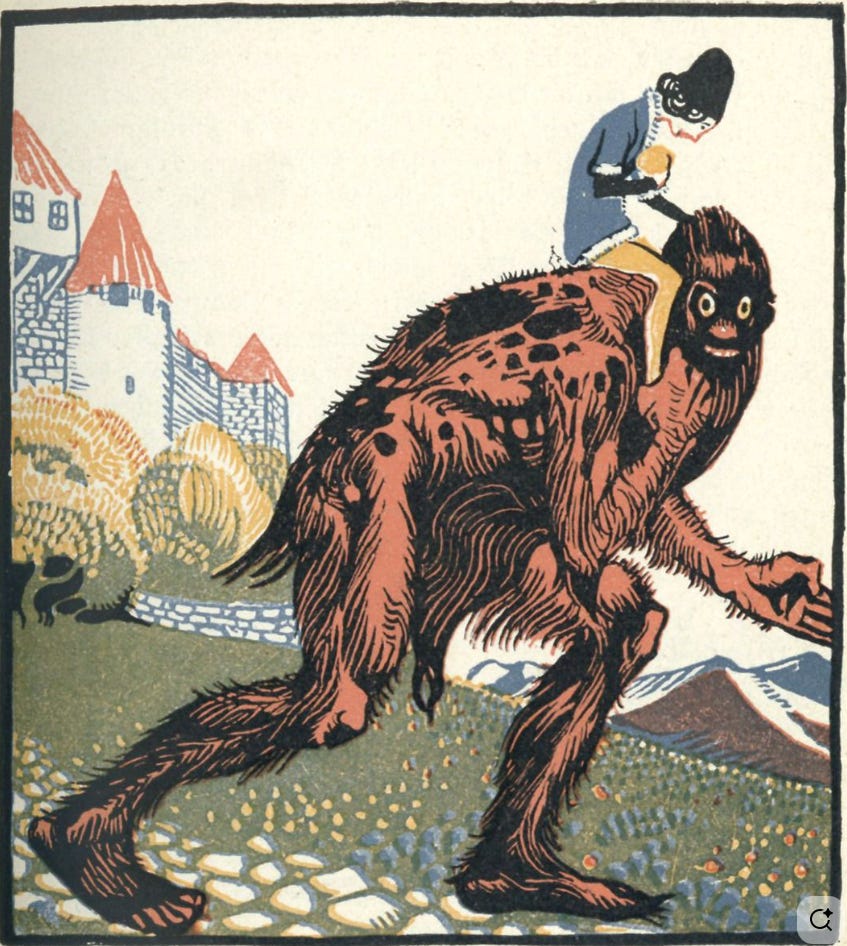
Iron John helps us tap into new potencies, such as “forceful action taken with resolve.”
As a metaphor, I find the fable of Iron John useful. There have been times in my life when I have not been in touch with the “wild man inside.” I like how I feel when I’m ambitious, active, confident—not when I’m on a week-long video game binge or just letting life passively happen to me.
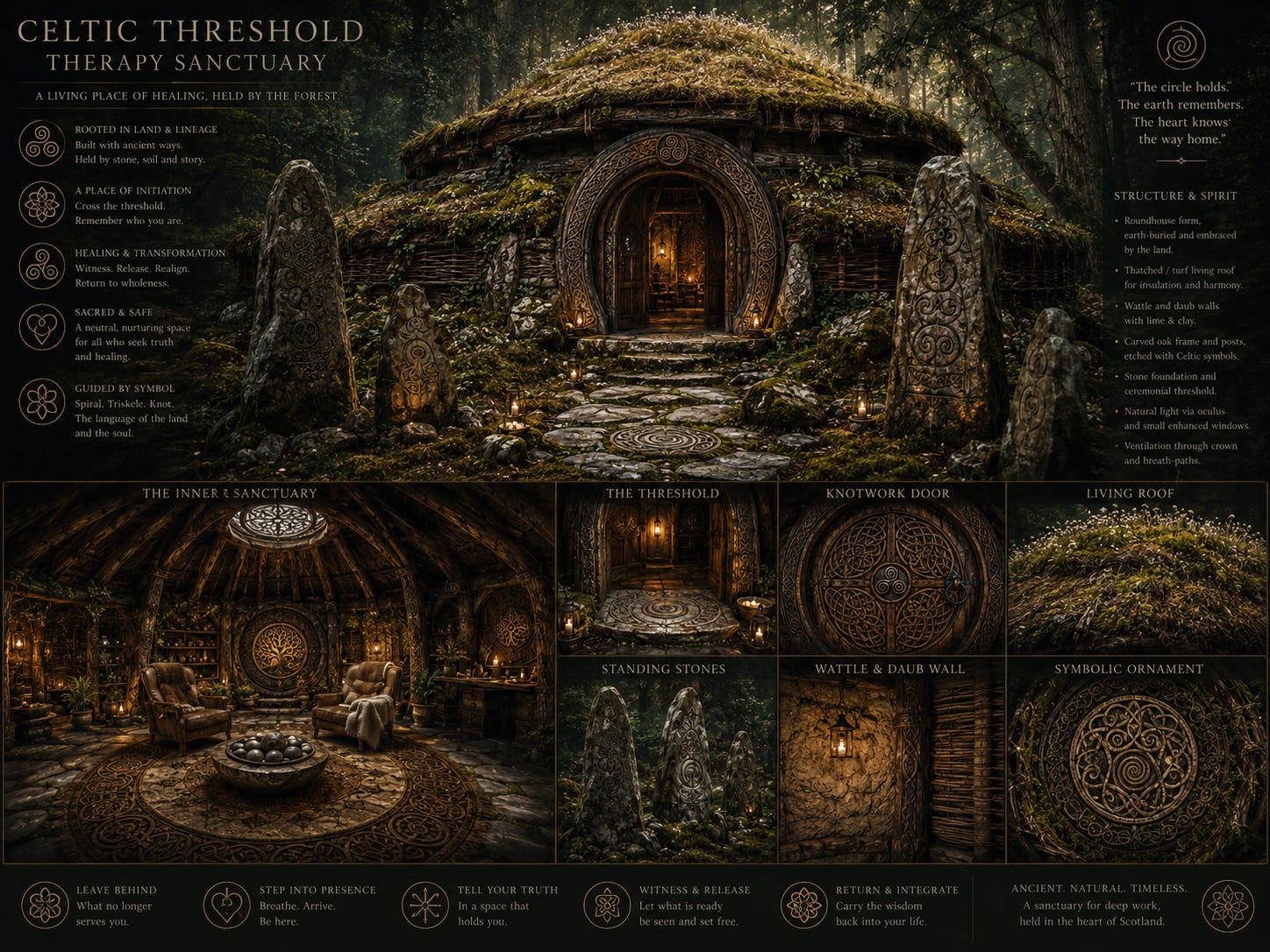
I don’t know my identity as a counsellor yet. I think part of it will be run-of-the-mill person-centered active listening, but I also believe therapy is a place where one can exchange passivity for a kind of take-on-the-world ferocity. So maybe it would help if the counselling and counselling room looked less like this…

And more like this…
Bly writes about the Greeks who embraced a manly “Zeus energy,” which boils down to “intelligence, robust health, compassionate decisiveness, good will, generous leadership.”
When I told my wife I’m thinking of making a roundhouse where man or woman could evoke “masculine virtues,” she rolled her eyes and said those virtues “are not just masculine” and that it’s impossible for a hut to be “masculine.” “Just call it ‘rustic’ or something.”
Obviously she’s right about the above-mentioned virtues (compassionate decisiveness, good will, generous leadership), but Bly nevertheless seems helpful to me since it appears a lot of people no longer seem to know what male strength ought to look like.

Bly wrote that kids have such lousy relationships with their largely-absent fathers that they don’t know what a man should be like. (I almost hope that the problem is that simple.) He argues that it doesn’t help either that grown men in pop culture are mostly depicted as suburban buffoons—a critique he made just as Homer Simpson made his debut, and well before the likes of Peter Griffin and Daddy Pig.
Bly:
In the next decade we can expect… more damage to men’s vision of what a man is, or what the masculine is. Between twenty and thirty percent of American boys now live in a house with no father present… The hunger for the father transmutes into the hunger for the King.
And so our disfigured minds picked out a disfigured soul who wants to be king.
The antidote to this, according to Bly, is better fathering, better male mentoring, as well as a public embrace, rather than knee-jerk dismissal, of positive masculinity.
Positive masculinity, Bly aruges, requires a man journey into the depths of his psyche.
Bly:
Contact with Iron John requires a willingness to descend into the male psyche and accept what’s dark down there, including the nourishing dark.
Maybe that’s why I’m thinking of a dark witch-like hut. To be a complete person we can’t ignore our demons; we must travel to our own netherworlds to meet them.
You can see former Senator Ben Sasse honestly wrestling with matters of the soul, now that he has a terminal cancer diagnosis. That’s not uncommon, according to Bly. A loss, a failure, or some sort of wound, be it mental or physical, is an opportunity to go deep. Bly writes about ancient stories of a boar’s tusk thrusting into the soft part of a man’s groin. The healing period could help a puffed-up boy mature into an adult.
Bly:
Some old traditions say that no man is adult until he has become open to the soul and spirit world, and they say that such an opening is done by a wound in the right place, at the right time, in the right company… People too healthy, too determined to jog, too muscular, may use their health to prevent the soul from entering. They leave no door. Through the perfection of victory they achieve health, but the soul enters through the hole of defeat.
When I think of national leaders who’d suffered, who’d lost, who’d taken a deep look inward, I think of Lincoln and his black moods, or Grant and his long apprenticeship in humiliation and failure. They were not only diminished by their suffering, but deepened by it.
Think of the other kind of men, pictured above, including the performatively masculine Hegseth and their leader, Trump, who once said, “I don't like to analyze myself because I might not like what I see.”
Grief, loss, failure have a way of positively taming us, with the added bonus of making us “cunning like Odysseus and full of knowledge.”
I’m probably not sufficiently wild, or cunning, enough to serve as a symbolic Iron John or Wild Man. And my hut would not be deep in the forest. It’d be near a rail line in my back garden. I should also point out how I’ve never built anything more sophisticated than this chicken coop.

The most likely outcome is that I find a counseling space in my living room and that all of this roundhouse talk is the delusional product of a strong caffeine high. But if it does move forward, I’d want to go full Iron John with log rafters, wattle-and-daub walls, a thatched roof—all there to evoke Bly’s “nourishing dark.”
Paid subscribers get to see what I’m consuming, plus my favorite new breathing strip, plus my recent embrace of “awe walks.”
